3D Scene Reconstruction vs. The Police Report: How We Defend Denver Vehicular Assault Charges
July 21, 2026


Understanding Colorado’s Hate Crime Enhancement Laws and Penalties
When Police Body Camera Footage Can Help Your Criminal Defense Case
In criminal cases across Denver, CO, DNA evidence is presented as powerful proof linking a defendant to a crime scene, victim, or weapon. While DNA analysis can be highly reliable when performed correctly, it is not infallible. Criminal defense attorneys at the Law Office of Jacob Martinez frequently challenge DNA evidence on multiple grounds to create reasonable doubt or even exclude it entirely from trial. This is especially relevant in Denver, where many cases rely on testing from the Colorado Bureau of Investigation (CBI), which has faced significant scrutiny in recent years.
In Denver and throughout Colorado, an ongoing scandal at the CBI has provided additional grounds to challenge DNA evidence in hundreds of cases. Former CBI forensic scientist Yvonne “Missy” Woods, who worked there for 29 years, was accused of manipulating data, deleting results, deviating from protocols, and cutting corners in over 1,000 cases dating back decades. Investigations revealed anomalies in her work, leading to:
The CBI has stated that no falsified matches were found, but the misconduct “puts all of her work in question.” This has led to overturned convictions, delayed cases, and heightened scrutiny of CBI-tested DNA. In Denver-area cases involving Woods’ analysis, common in sexual assaults, homicides, and other serious crimes, defense lawyers can argue that this systemic issue taints the evidence.
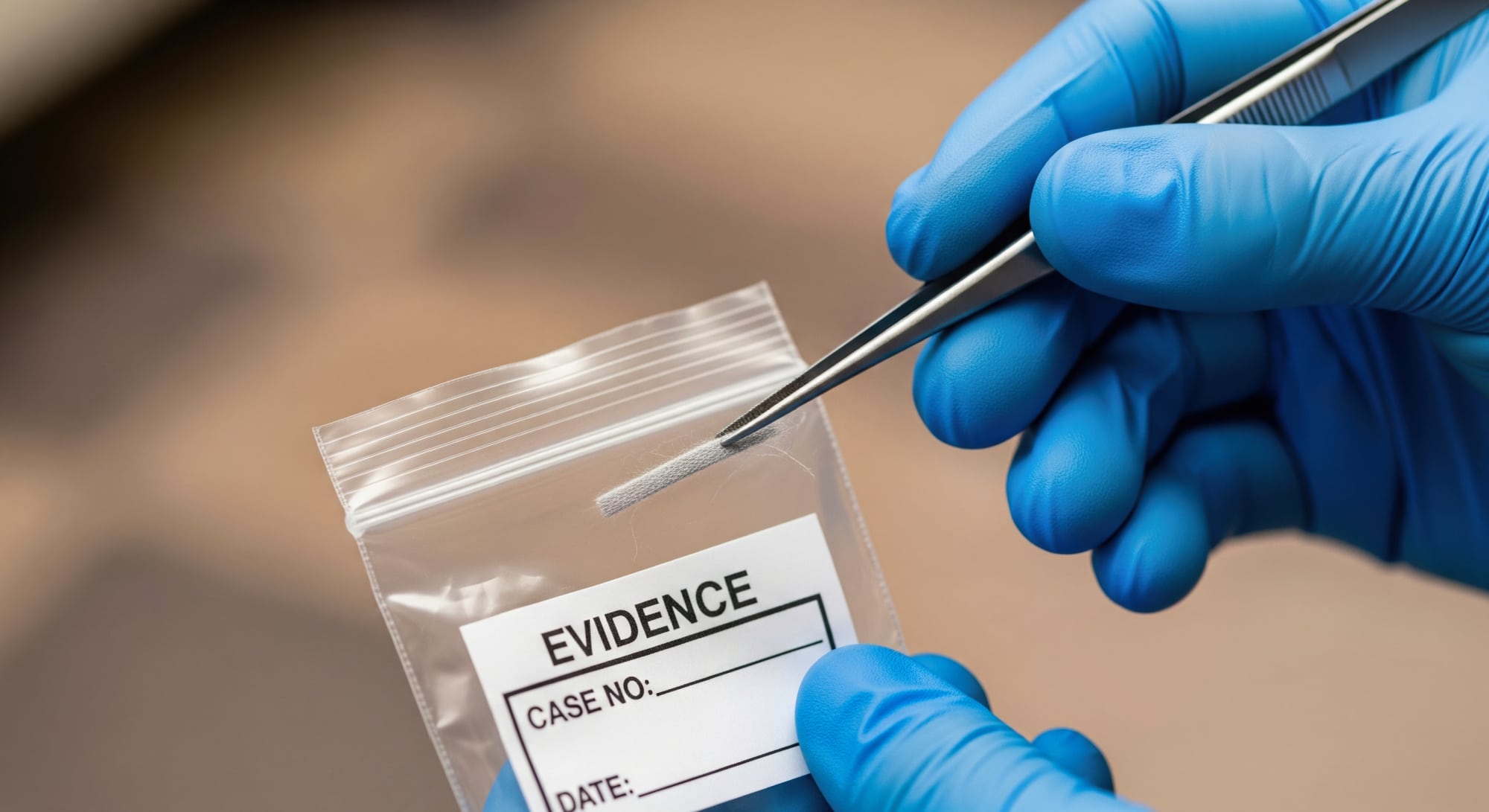
Defense attorneys in Denver criminal cases often focus on weaknesses in the collection, handling, testing, and interpretation of DNA samples. Following a careful legal and scientific review of DNA evidence, there may be gaps that could be used to contest its reliability. Here are the common ways a Denver crime defense attorney can use to challenge DNA evidence in your case:
DNA evidence must be carefully tracked from the moment it is collected until it is analyzed. Lapses such as missing documentation, mislabeling, or unauthorized access can raise questions of tampering or mishandling. When the chain of custody is compromised, a court may deem the evidence unreliable or even inadmissible, significantly weakening the prosecution’s case.
At crime scenes, biological material may be exposed to contamination from first responders, investigators, or the surrounding environment. For example, failure to change gloves, improper packaging, or leaving evidence unsecured can introduce foreign DNA. Once contamination happens, it can be difficult to determine whose genetic material is actually present.
Additionally, older or degraded samples may produce inconclusive or misleading results. Also, trace DNA from secondary transfer, in which DNA is unintentionally deposited at a crime scene, can create false connections that do not implicate the defendant.
Errors in testing, equipment malfunctions, or deviations from standard laboratory procedures can compromise results. Defense experts carefully examine lab notes, documentation, and raw data to identify inconsistencies. Highlighting procedural mistakes or deviations can cast serious doubt on the validity of the prosecution’s evidence.
DNA matches are often reported using statistical probabilities, such as “1 in a trillion” odds. These figures can be challenged if the population database is flawed, assumptions are inaccurate, or software used to interpret mixed samples (like STRMix) overstates certainty. Mixed DNA samples, in particular, involve subjective interpretation that defense experts can question.
Prosecutors rely on forensic experts to explain DNA results to the jury. The defense can challenge these experts through cross-examination, questioning their methodology, credentials, or potential biases. Presenting alternative experts can also offer differing opinions and interpretations, thereby undermining the prosecution’s narrative.
Defendants may request that remaining DNA samples be independently tested to confirm or refute the prosecution’s results. Independent analysis allows for a second opinion on the validity of the findings. When your criminal defense attorney reveals discrepancies or errors, it can significantly strengthen the defense and introduce reasonable doubt.

If DNA evidence is involved in your case, a criminal defense lawyer can investigate these angles, file motions to suppress the evidence, and consult forensic experts. Early intervention is key, as challenges often succeed pre-trial. At the Law Office of Jacob Martinez, we aggressively defend clients facing serious charges in Denver. Call us at 720-246-6700 today to schedule a consultation and ensure your defense team thoroughly scrutinizes every piece of DNA evidence.