When Denver Police Use Confidential Informants: How the Defense Challenges Reliability
September 12, 2026


How Colorado’s Mandatory Minimum Sentences Impact Drug Crime Defense
Understanding Colorado’s Deferred Judgment and Sentence Options for First Offenders
Yes. Dash cam footage from police vehicles and your own camera can be used to challenge DUI charges in Colorado. The question is not whether it is relevant but whether you know how to obtain it, how Colorado courts evaluate it, and what a defense attorney actually does with it. The Law Office of Jacob E. Martinez has defended DUI cases throughout Denver and surrounding Colorado courts for more than 15 years.
Police dash cams activate automatically when a traffic stop begins. From that moment, the footage records your driving behavior before the stop, the officer’s approach, and, most importantly, the field sobriety test administration.
That last point matters most. The federal government publishes standardized protocols for field sobriety testing that officers are trained to follow. Each test has specific instruction requirements, timing standards, and environmental conditions that must be met for the results to be considered valid. An officer who does not follow those protocols may have administered a flawed test, and that flaw may be visible on camera even when the written report describes the test as properly conducted.
The most commonly documented field sobriety test errors on dash cam footage include:
None of these errors typically appear in the officer’s written report, but all of them are visible on camera.
Police dash cam footage is discoverable evidence. Your attorney requests it through formal discovery. Most Colorado law enforcement agencies retain video footage for 60 to 90 days. Waiting too long may result in the footage being deleted during routine operations. Once it is gone, it is gone. The discovery request should go out as early as possible in the case, before retention periods expire.
If footage is requested and the agency cannot produce it, that absence has its own evidentiary value. A defense lawyer can raise the failure to preserve potentially favorable evidence as part of their defense strategy. The disappearance of evidence does not always benefit the prosecution, and Colorado courts take these issues seriously.
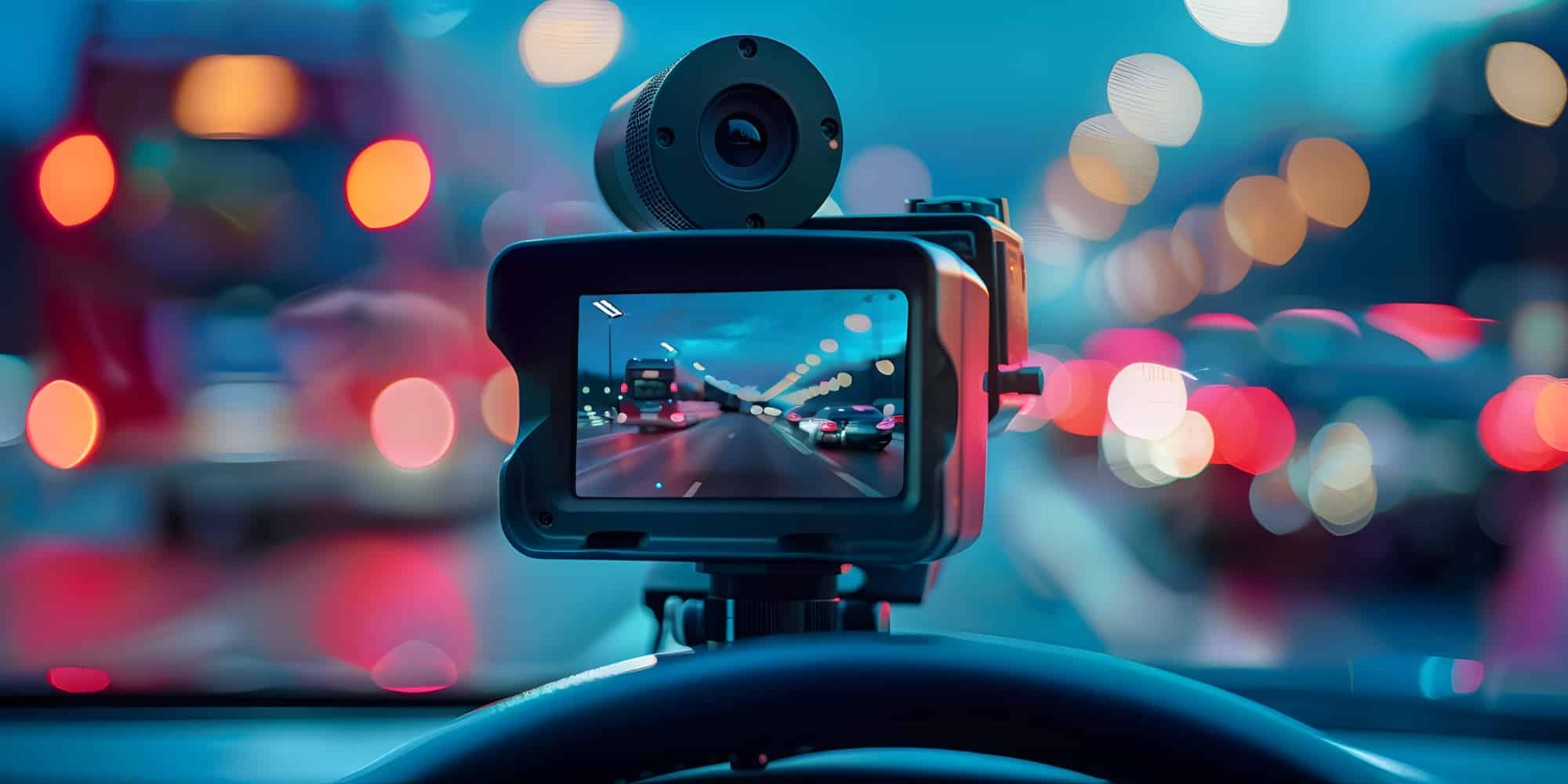
If your vehicle has a dash cam, preserve the recording immediately after your arrest. Do not allow the file to overwrite. Back it up in multiple locations and tell your attorney it exists before doing anything else. The footage must also be properly authenticated before it can be used in court, which means maintaining an unbroken chain of custody from the moment it is captured.
Your own footage can contradict an officer’s account of your driving, your apparent condition during the stop, and how the field sobriety tests were conducted. Body camera footage from the arresting officer works the same way. When police footage and your own recording tell a different story from the written report, that discrepancy becomes the foundation of your defense.
A Colorado DUI arrest triggers two separate proceedings. The criminal case proceeds through the courts, but the Colorado DMV holds a parallel hearing under the state’s express consent law to determine whether your license should be revoked. You have only seven days after a DUI arrest to request that hearing. Missing the window means losing the right to contest the revocation, regardless of what happens in the criminal case.
Dash cam footage is relevant to both proceedings independently. What the video shows about your driving behavior before the stop, your physical condition during the stop, and how the field sobriety tests were administered can be argued at the DMV hearing separately from the criminal case. A complete DUI defense strategy addresses both tracks from the start.
Video evidence can change the outcome of a Colorado DUI case, but only if it is preserved quickly and used correctly. The Law Office of Jacob E. Martinez has secured not-guilty verdicts in Jefferson County DUI trials and has 15-plus years of experience defending DUI charges in Denver, Jefferson County, Arapahoe County, and throughout Colorado.
Our Denver DUI attorneys examine every piece of evidence in your case, including dash cam footage, body cam recordings, field sobriety test administration, and the written police report, to build the strongest possible defense. Jacob E. Martinez and our team are ready to review your situation. Contact us online to get started.