How DNA Evidence Can Be Challenged in Denver Criminal Cases
January 5, 2026


Colorado Is #2 In Identity Theft, So Cops Will Be on the Lookout
What Happens in Colorado If You Crash While Drinking?
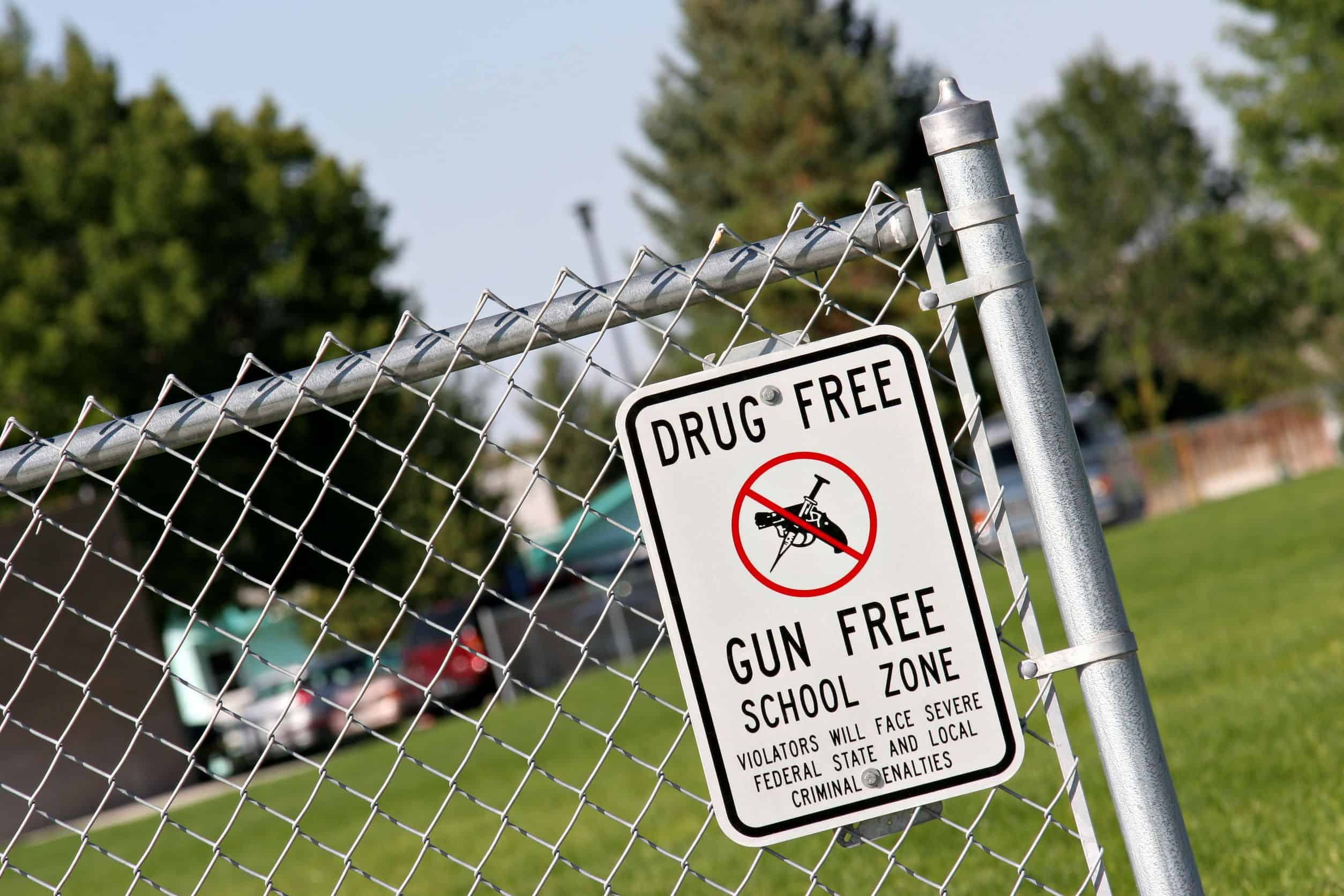
Drug-free zone laws are a longstanding sentencing policy intended to increase criminal penalties for drug crimes committed near places where children are likely to be present. For example, near schools and parks. The first drug-free zone laws took effect in the 1970s, and they were ramped up as the “War on Drugs” really took hold during the Reagan presidency.
The principle of drug-free zone laws is pretty simple and straightforward: keep dangerous drugs and violence related to drug trafficking away from children. Sounds like a good idea in principle, right? In practice, however, drug-free zones are highly controversial, contributing to racial and socioeconomic disparity in the criminal justice system.
So, what do drug-free zones mean for Colorado residents, and how might they affect drug crime charges and sentencing? Below we cover how drug-free zone laws work in practice in our state and what you can do to fight back if charged.
In the 1980s, every US state implemented laws that imposed harsher penalties on drug crimes committed near schools. The idea behind these laws was to deter dealers from selling drugs to children and adolescents during the crack cocaine epidemic, and to prevent children from becoming collateral victims of the violence associated with drug dealing and trafficking.
Some state laws add an additional criminal charge for committing a drug crime in a drug-free zone, effectively charging the offender twice for the same crime. For example, in Arkansas, those convicted of simple possession in a drug-free zone are sentenced to 10 additional years with no possibility of parole – even for first-time offenders. Other states simply increase penalties for drug crimes committed in drug-free zones, and often prevent or limit the possibility of parole.
Where does our state fit in? Under Colorado drug-free zone laws, a defendant is legally defined as a “Colorado special offender” for selling, distributing, possessing with intent to distribute, manufacturing, or attempting to manufacture any controlled substance in the following locations:

If a defendant is designated a “special” offender, he or she is subject to enhanced sentencing and criminal penalties including:
If the defendant is subject to Colorado’s aggravated drug sentencing (for example, by being on parole for another felony when the offense is committed), the mandatory minimum is increased to 12 years.
As you can see, being designated a special offender under Colorado law has serious consequences – even if the underlying crime would otherwise be punishable by at most 1-2 years of imprisonment.
Although the idea of deterring drug activity where children are present is a good one in theory, in practice, these laws mean that huge portions of most urbans areas are designated as drug-free zones – up to 95% in some cities. In fact, in many US cities, over 75% of the total area within city limits is considered a “drug-free zone,” and even offenses committed in a defendant’s own home could be subject to these quite severe sentencing enhancements.
In this case these laws don’t deter offenders from protected areas, but instead leave them with nowhere else to go, meaning enhanced sentencing is nearly inevitable.
US prisons are overcrowded with nonviolent drug offenders, placing an enormous burden on the criminal justice system that is ultimately passed on to taxpayers. Moreover, incarceration has proven ineffective at deterring commission of drug crimes. Enhanced penalties in drug-free zones has contributed to the US’s mass incarceration problem.

Finally, densely packed low-income areas are much more likely to be labeled drug-free zones. In fact, some states, including Colorado, consider public housing projects to be drug-free zones, which inherently targets low-income offenders. Racial and socioeconomic disparity in the criminal justice system is well-documented, and drug-free zone laws are a contributor.
Partially because of this, drug-free zone laws have become the subject of increased scrutiny in the US, and efforts to reform these often unfair laws are underway. However, until these reforms take full effect, Colorado drug crime defendants can expect severe sentencing enhancements if the alleged offense took place in a drug-free zone, which makes fighting back even more important.
About the Author:
Denver-based criminal defense and DUI attorney Jacob E. Martinez is a knowledgeable and experienced litigator with a record of success providing innovative solutions to clients facing criminal charges of any severity. Mr. Martinez has been designated a Top 100 Trial Lawyer by the National Trial Lawyers and has been awarded both the Avvo Client’s Choice Award and Avvo Top Attorney designation, evidencing his reputation for his exemplary criminal and DUI defense work and high moral standards.