When Denver Police Use Confidential Informants: How the Defense Challenges Reliability
September 12, 2026


Colorado’s Juvenile Sealing Process: Clearing Your Child’s Criminal Record
When Colorado Police Violate Your Rights During Home Searches
Drug sting operations are a common law enforcement tactic in Colorado, particularly in undercover drug investigations. These operations are designed to identify individuals involved in drug distribution, trafficking, and manufacturing. However, there are legal boundaries governing how police conduct these stings. If officers or confidential informants induced you to commit a crime you would not have committed, the issue of entrapment arises.
At the Law Office of Jacob Martinez, Denver criminal defense attorney Jacob Martinez represents individuals charged in complex drug prosecutions, including cases stemming from undercover sting operations. We understand when police conduct crosses constitutional and statutory limits and can help you build a strong criminal defense in Colorado courts.
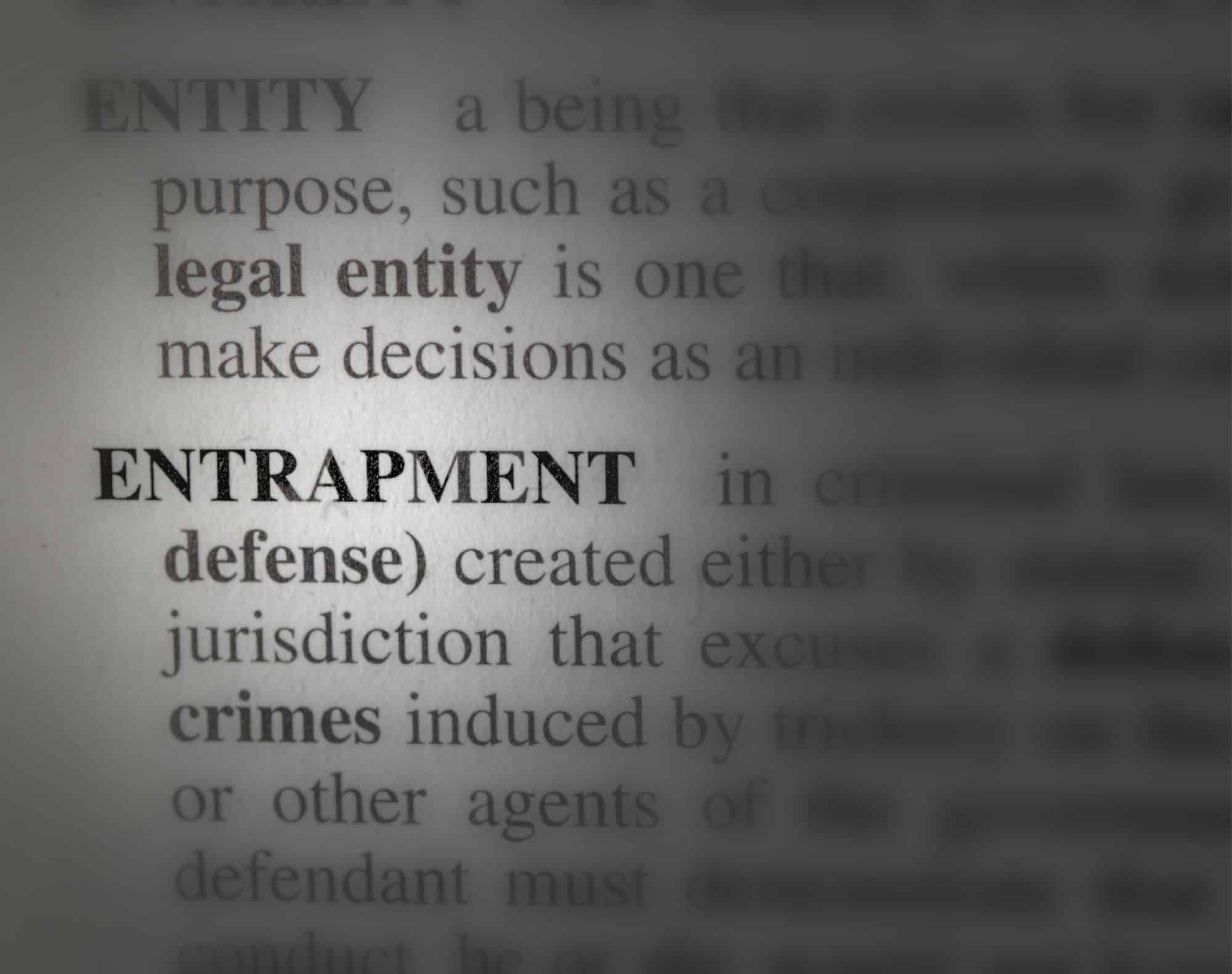
Under Colorado law, entrapment occurs when police or their agents induce or encourage a person to commit a crime. It also happens when an individual was not otherwise predisposed to engage in that criminal conduct.
Entrapment is a complete defense to a criminal charge. A defendant is not guilty if their conduct was induced by a law enforcement officer or their agent through the use of undue persuasion, incitement, or coercion. The key principle is whether the government implanted the criminal intent in the mind of an innocent person.
Colorado law recognizes two primary forms of entrapment:
Undercover drug operations are a common arena for entrapment claims. Police in Colorado may provide an opportunity to commit a crime, but they may not induce it. Criminal defense attorneys in Colorado scrutinize cases for tactics that cross this line, such as:
In all these cases, courts examine whether the criminal idea originated with law enforcement rather than the accused. These tactics can overlap with other cases, such as conspiracy charges, possession with intent to distribute, manufacturing, or trafficking. Your Colorado criminal defense attorney can build a comprehensive defense strategy necessary to address the full spectrum of possible charges.
Entrapment defenses are among the most complex and challenging arguments in criminal law. Unlike procedural defenses that focus on how evidence was obtained, entrapment questions the very origin of the criminal intent. Successfully arguing that the government implanted the idea of a crime requires an attorney to build and present a compelling entrapment case.
Here are the reasons why legal support is key in these situations:
Without an attorney who is skilled in criminal defense cases, you may plead guilty to drug crimes that were fundamentally manufactured by the state. The consequences are usually severe and lifelong, making a lawyer’s skills necessary.

While drug sting operations remain lawful when properly conducted, these investigations must remain within constitutional and statutory limits. When officers or informants overstep, the entrapment defense becomes a powerful legal safeguard. The Law Office of Jacob Martinez in Denver represents clients charged in undercover drug investigations, and we can challenge improper law enforcement conduct. Contact us today for a free initial consultation to discuss your options.